By Steve Maederer, Vice President, Business Development at ENTRUST Solutions Group
At ENTRUST, and more specifically EN Communications, we support power utilities to build fiber optic networks for grid modernization and broadband revenue opportunities. I work closely with the power utility market for power cooperatives, municipalities, and investor-owned utilities, focusing on the development of fiber optic network solutions for Fiber To The Home (FTTH), grid modernization, and various telecommunications revenue opportunities.
I believe the transition to fiber is inevitable. Low latency and high-capacity data communications are essential for grid modernization and low-cost Passive Optical Networks (PONs) are a suitable solution to reach the growing number of devices across the distribution grid needed for efficient control.
Today, many electric co-ops and smaller munis are implementing fiber and broadband simply because nobody is building broadband to serve the people living in their rural areas. Our market studies show that electric utilities are more trusted by their customer base when compared to cable TV and data companies – even when the latter companies already have fiber in place. This is especially true in rural communities.
In an article published in November 2023 for T&D World, I discussed the increasing number of power distribution companies recognizing the value of deploying fiber deep into the distribution grid, providing a high-speed and high-bandwidth network capable of meeting communications requirements for the foreseeable future. In this blog, I will highlight the key takeaways from the article concerning the mutually beneficial relationship between co-ops and IOUs when implementing fiber in rural areas.
 The success of broadband projects is determined by the density of the population in the service area – usually six to seven people per square mile. When population density is low, how do rural co-ops justify the process of grid modernization?
In a low-density town, there are too few people affected by power outages to necessitate costly systems, and co-ops find it increasingly expensive to operate the electric grid. Developing additional broadband revenue can create the lifeline rural co-ops have been looking for. Gigabyte-level broadband draws new businesses, provides better community services and improves work-from-home capabilities, but how can rural areas obtain it?
For low-density co-ops wishing to provide broadband projects to their community, IOUs become the ideal partner. Across America, many co-ops only service the rural areas neighboring IOU territories – cities and towns. Our success in developing mutually beneficial relationships between IOUs and co-ops bridges the technological gap in urban and rural communities. With ENTRUST, IOUs gain a revenue source while adding community value and co-ops gain the needed density to make broadband projects viable.
Electric utilities play a critical role in the future of community and population welfare. For rural co-ops and munis, improving the quality of life via broadband capabilities can be greater than services available in big cities.
Incentives include:
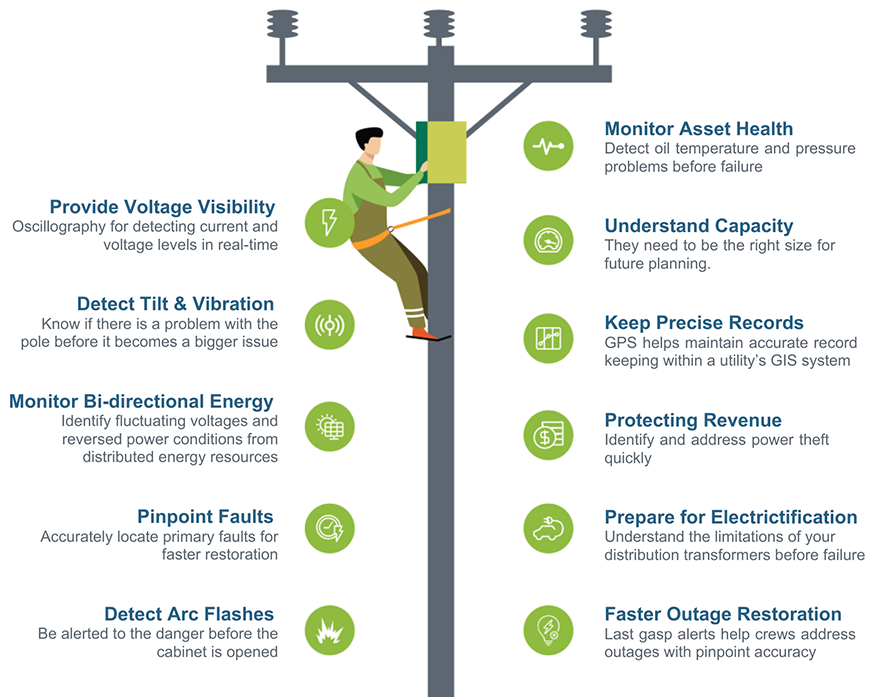
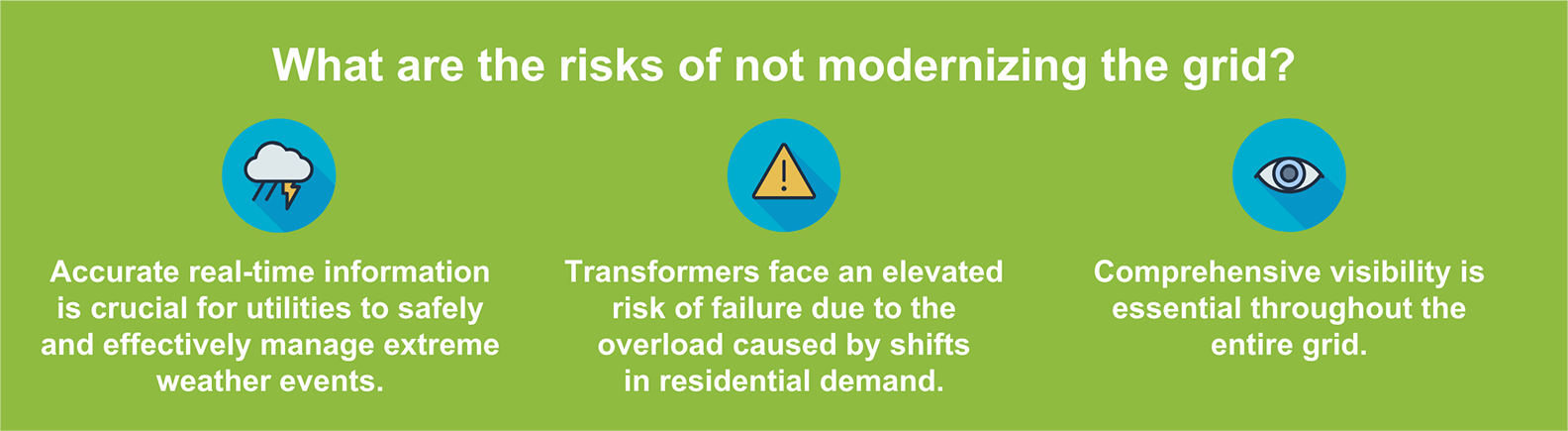
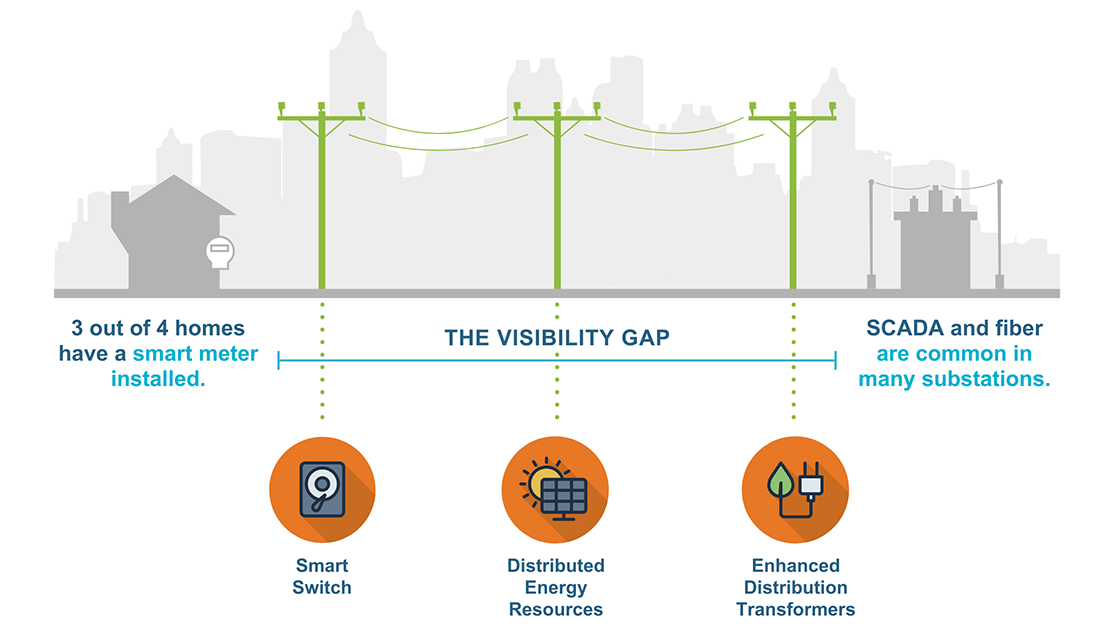 The electricity grid will change dramatically over the next 30 years, and government money is currently shifting towards projects such as resiliency and weather strengthening. Pushing forward innovative broadband solutions that encompass the demand for more bandwidth and the need to minimize electricity usage on the grid requires data collection to pinpoint key issues and resolutions.
Power provides strong, steady backing to fiber’s high upfront investment, creating a funding ecosystem for a rural community to have its electric grid launched into the future. While things like oil prices and environmental disasters are unpredictable, fiber profits can provide a cushion to keep the utility highly functioning to the community’s benefit.
EN Communications, a sector of ENTRUST, designs fiber networks and PONs for our electric distribution customers, allowing fiber to pass current and future locations for grid modernization devices. PONs use nearly 70% less fiber than point-to-point networks and electronics costs are significantly less. Reach out to learn more at steve.maederer@entrustsol.com to discuss a fiber and PON design perfect for your community’s innovation and success.
Want to see the full infographic put throughout this article? Check it out here.

 (630) 353-4000
 info@entrustsol.com